Native Maine cont'd.
New things encountered in the Maine woods by my ancestors.....
The birch bark canoe. The birch bark canoe was the preferred means of travel for hunting or expeditions by boat on the rivers and lakes of New England, northward to St Lawrence seaway, and westward to the Great Lakes.
Tuesday, November 4, 2014
Monday, December 2, 2013
Native Maine 1600
Maine and New England 1600's CE. a contemplation.
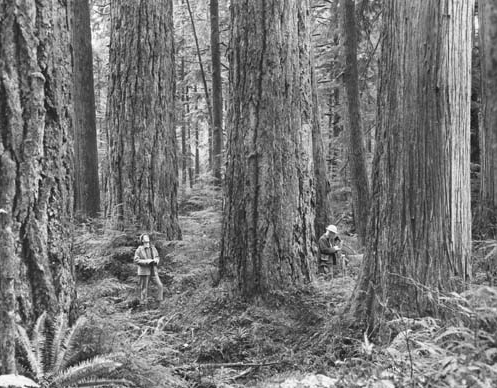
'Virgin' Forests of White Pine, Birch. Hickory, Oak. A huge tall forest canopy. Such places still can be found in the Porcupine Forest 'museum' of the Upper Peninsula of Michigan.

Below: 1910 White Chestnuts, NC. and a virgin stand on the Menominee reservation, Wisconsin. All of New England to the Great Lakes were blanketed in this kind of forest, and the attendant natural life.

Small bands of indigenous people originally lived spread out over large hunting territories.
Already, by 1600 the pox and cold and flu viruses had reduced the population, and increased de forestation has occurred from settlements and agricultural practices which are pushing into the hunting territories of the Abenaki, Penobscot, Maliseet, and Passamaquoddy peoples. They all speak the Algonquian linguistic branch of native languages, the Iriquois, whom we associate so much with this period and the New England area are actually Siouan speakers.
The strangeness and otherness of the American peoples as viewed by European eyes is reflected in this portrait made in the early 1700's of a Mohawk warrior leader. Clearly he also seems to have some facial scarring.
We might remember as we look at this portrayal, how Europeans looked to the Japanese and to the Mughal artists.
Portuguese Ladies as portrayed by anonymous Mughal artist.
The great artist Hokusai did a quick pen and ink sketch of two Portuguese musketeers, in 1817.
http://www.artnspire.com The Orient Museum in Lisbon presents images from the 16th and 17th century of Portuguese trade and missionary relations in China and Japan.
The Dutch artist Jan Verelts affected a more romantic and sympathetic understanding of these Leaders from the Mohawk from 1690-1710.
interestingly he has included the bear he hunts.
This man hunts with bow and has a dog or wolf by his side. Notice the far distance view of perhaps the event of the hunt. Both of these are engravings made from oil paintings.
'Virgin' Forests of White Pine, Birch. Hickory, Oak. A huge tall forest canopy. Such places still can be found in the Porcupine Forest 'museum' of the Upper Peninsula of Michigan.
Below: 1910 White Chestnuts, NC. and a virgin stand on the Menominee reservation, Wisconsin. All of New England to the Great Lakes were blanketed in this kind of forest, and the attendant natural life.

Small bands of indigenous people originally lived spread out over large hunting territories.
Already, by 1600 the pox and cold and flu viruses had reduced the population, and increased de forestation has occurred from settlements and agricultural practices which are pushing into the hunting territories of the Abenaki, Penobscot, Maliseet, and Passamaquoddy peoples. They all speak the Algonquian linguistic branch of native languages, the Iriquois, whom we associate so much with this period and the New England area are actually Siouan speakers.
The strangeness and otherness of the American peoples as viewed by European eyes is reflected in this portrait made in the early 1700's of a Mohawk warrior leader. Clearly he also seems to have some facial scarring.
We might remember as we look at this portrayal, how Europeans looked to the Japanese and to the Mughal artists.
Portuguese Ladies as portrayed by anonymous Mughal artist.
The great artist Hokusai did a quick pen and ink sketch of two Portuguese musketeers, in 1817.
http://www.artnspire.com The Orient Museum in Lisbon presents images from the 16th and 17th century of Portuguese trade and missionary relations in China and Japan.
The Dutch artist Jan Verelts affected a more romantic and sympathetic understanding of these Leaders from the Mohawk from 1690-1710.
interestingly he has included the bear he hunts.
This man hunts with bow and has a dog or wolf by his side. Notice the far distance view of perhaps the event of the hunt. Both of these are engravings made from oil paintings.
Thursday, November 28, 2013
Thanksgiving Day!
My father's 99th birthday- in memory. My sister created a birthday memory ritual for my father. She is very adept at keeping the steady sure rhythm of traditions. She takes flower seeds down to Cesar Chavez Park in Berkeley and scatters them there, by the ocean, where people come to fly kites and walk dogs, and you can see sailboats on the water. All things my father did and enjoyed. A man of the wind. Here's to your unruly ways, playfulness and free spirit, Dad.
He liked the stars too, took us all out to watch them and to watch Sputnik make its first circle around the earth, so in his memory I offer a picture of the comet ISON which is reaching the sun today, where it may be melted , or may be spun out back into our skies. Wait and see pudding.
Memory of our childhood Thanksgiving meal at Traill St. (the wolf likes this name)..from the same cousins that went to Plymouth: a long table set with turquoise ceramic plates and orange persimmons on each plate. " A conversation starter", my aunt said (they hosted many foreign students from the university for the meal). My sister has planted persimmon trees in her yard and harvests persimmons each fall.
My father's 99th birthday- in memory. My sister created a birthday memory ritual for my father. She is very adept at keeping the steady sure rhythm of traditions. She takes flower seeds down to Cesar Chavez Park in Berkeley and scatters them there, by the ocean, where people come to fly kites and walk dogs, and you can see sailboats on the water. All things my father did and enjoyed. A man of the wind. Here's to your unruly ways, playfulness and free spirit, Dad.
He liked the stars too, took us all out to watch them and to watch Sputnik make its first circle around the earth, so in his memory I offer a picture of the comet ISON which is reaching the sun today, where it may be melted , or may be spun out back into our skies. Wait and see pudding.
Memory of our childhood Thanksgiving meal at Traill St. (the wolf likes this name)..from the same cousins that went to Plymouth: a long table set with turquoise ceramic plates and orange persimmons on each plate. " A conversation starter", my aunt said (they hosted many foreign students from the university for the meal). My sister has planted persimmon trees in her yard and harvests persimmons each fall.
Wednesday, November 27, 2013
Thanksgiving preparations continue apace. I grew up in New England, and my aunt and uncle have a place in Plymouth, and cousins have places in that area too- they all use to participate in reenactments at Plymouth Plantation when they were children. But what was that really all based on? The wolf wants to know…..
Let us remember that Prayers of thanks and special thanksgiving ceremonies are common among almost all cultures and spiritual traditions after harvests and at other times.[1]
The info below holds some interesting tidbits- including for starters that Thanksgiving was originally intended as a Day of FASTING!
The Thanksgiving holiday's history in North America is rooted in English traditions dating from the Protestant Reformation. In the English tradition, days of thanksgiving and special thanksgiving religious services became important during the English Reformation in the reign of Henry VIII and in reaction to the large number of religious holidays on the Catholic calendar.
Before 1536 there were 95 Church holidays, plus 52 Sundays, when people were required to attend church and forego work and sometimes pay for expensive celebrations. The 1536 reforms reduced the number of Church holidays to 27, but some Puritans, the radical reformers of their age, wished to completely eliminate all Church holidays, including Christmas and Easter.
The holidays were to be replaced by specially called Days of Fasting or Days of Thanksgiving, in response to events that the Puritans viewed as acts of special providence. Unexpected disasters or threats of judgement from on high called for Days of Fasting. Special blessings, viewed as coming from God, called for Days of Thanksgiving. For example, Days of Fasting were called on account of drought in 1611, floods in 1613, and plagues in 1604 and 1622.
Pilgrims and Puritans who began emigrating from England in the 1620s and 1630s carried the tradition of Days of Fasting and Days of Thanksgiving with them to New England. Several days of Thanksgiving were held in early New England history that have been identified as the "First Thanksgiving", including Pilgrim holidays in Plymouth in 1621 and 1623, and a Puritan holiday in Boston in 1631.[8][9]
Many of the Pilgrims who migrated to the Plymouth Plantation had resided in the city of Leiden from 1609–1620, many of whom had recorded their births, marriages and deaths at the Pieterskerk. In 1608 a group of English religious dissenters fled to the Netherlands. They had left the Anglican church a few years before and had founded their own religious community.
The great adventure started in Delfshaven, on 21 July 1620. There a ship awaited them, the Speedwell, that was bound for America. According to the chronicles the community knelt down in prayer on the quay near the church, that was later to be named after them, Pilgremsvaderkerk.
To commemorate all this, a non-denominational Thanksgiving Day service is held each year on the morning of the American Thanksgiving Day in the Pieterskerk, a Gothic church in Leiden, to commemorate the hospitality the Pilgrims received in Leiden on their way to the New World.- here is Pieterskerk, and an interior view below.
Let us remember that Prayers of thanks and special thanksgiving ceremonies are common among almost all cultures and spiritual traditions after harvests and at other times.[1]
The info below holds some interesting tidbits- including for starters that Thanksgiving was originally intended as a Day of FASTING!
The Thanksgiving holiday's history in North America is rooted in English traditions dating from the Protestant Reformation. In the English tradition, days of thanksgiving and special thanksgiving religious services became important during the English Reformation in the reign of Henry VIII and in reaction to the large number of religious holidays on the Catholic calendar.
Before 1536 there were 95 Church holidays, plus 52 Sundays, when people were required to attend church and forego work and sometimes pay for expensive celebrations. The 1536 reforms reduced the number of Church holidays to 27, but some Puritans, the radical reformers of their age, wished to completely eliminate all Church holidays, including Christmas and Easter.
The holidays were to be replaced by specially called Days of Fasting or Days of Thanksgiving, in response to events that the Puritans viewed as acts of special providence. Unexpected disasters or threats of judgement from on high called for Days of Fasting. Special blessings, viewed as coming from God, called for Days of Thanksgiving. For example, Days of Fasting were called on account of drought in 1611, floods in 1613, and plagues in 1604 and 1622.
Pilgrims and Puritans who began emigrating from England in the 1620s and 1630s carried the tradition of Days of Fasting and Days of Thanksgiving with them to New England. Several days of Thanksgiving were held in early New England history that have been identified as the "First Thanksgiving", including Pilgrim holidays in Plymouth in 1621 and 1623, and a Puritan holiday in Boston in 1631.[8][9]
Many of the Pilgrims who migrated to the Plymouth Plantation had resided in the city of Leiden from 1609–1620, many of whom had recorded their births, marriages and deaths at the Pieterskerk. In 1608 a group of English religious dissenters fled to the Netherlands. They had left the Anglican church a few years before and had founded their own religious community.
After living in Leiden for eleven years, they decided to become 'pilgrims' and cross the wide waters to America, where they might worship God in their own way and still be Englishmen.
To commemorate all this, a non-denominational Thanksgiving Day service is held each year on the morning of the American Thanksgiving Day in the Pieterskerk, a Gothic church in Leiden, to commemorate the hospitality the Pilgrims received in Leiden on their way to the New World.- here is Pieterskerk, and an interior view below.
Tuesday, November 26, 2013
Grey skies. coldish. tea drinking weather. Musing on the difference between Earl Grey and English Breakfast.
English Breakfast. Black tea blend mixed with sugar and milk, to go with bangers and beans. Grilled Tomato would once have been exotic fare from the Americas, after people accepted it as a fruit/vegetable you could eat.
The practice of referring to such a blend as "English breakfast tea" appears to have originated not in England but America, as far back as Colonial times.[2]
-An additional account (referencing a period-era "Journal of Commerce" article) dates the blend to 1843 and a tea merchant named Richard Davies in New York City. Davies, an English immigrant, started with a base of Congou and added a bit of Pekoe and Pouchong. It sold for 50 cents a pound, and its success led to imitators, helping to popularize the name.[3]
-Another account gives its origins in Scotland, where it was initially known simply as "breakfast tea", and was in part popularised by Queen Victoria.[4]
For afternoon and entertaining:
Earl Grey tea has been around since 1830- is laced- "drugged" according to period newspaper-with the oil of the bergamot 'orange' fruit, which apparently helps ameliorate Seasonal Affective Disorder.
According to the Grey family, the tea was specially blended by a Chinese mandarin for Lord Grey, to suit the water at Howick Hall, the family seat in Northumberland, using bergamot in particular to offset the preponderance of lime in the local water. Lady Grey used it to entertain in London as a political hostess, and it proved so popular that she was asked if it could be sold to others, which is how Twinings came to market it as a brand. (wikipedia).
English Breakfast. Black tea blend mixed with sugar and milk, to go with bangers and beans. Grilled Tomato would once have been exotic fare from the Americas, after people accepted it as a fruit/vegetable you could eat.
The practice of referring to such a blend as "English breakfast tea" appears to have originated not in England but America, as far back as Colonial times.[2]
-An additional account (referencing a period-era "Journal of Commerce" article) dates the blend to 1843 and a tea merchant named Richard Davies in New York City. Davies, an English immigrant, started with a base of Congou and added a bit of Pekoe and Pouchong. It sold for 50 cents a pound, and its success led to imitators, helping to popularize the name.[3]
-Another account gives its origins in Scotland, where it was initially known simply as "breakfast tea", and was in part popularised by Queen Victoria.[4]
For afternoon and entertaining:
Earl Grey tea has been around since 1830- is laced- "drugged" according to period newspaper-with the oil of the bergamot 'orange' fruit, which apparently helps ameliorate Seasonal Affective Disorder.
According to the Grey family, the tea was specially blended by a Chinese mandarin for Lord Grey, to suit the water at Howick Hall, the family seat in Northumberland, using bergamot in particular to offset the preponderance of lime in the local water. Lady Grey used it to entertain in London as a political hostess, and it proved so popular that she was asked if it could be sold to others, which is how Twinings came to market it as a brand. (wikipedia).
Monday, November 25, 2013
More mills of Norfolk, UK. Not many old grain mills have survived in the US, and what has is usually large wheel mills driven by falling water. Maybe hydro power was stronger in New England than wind. Maybe grain was an import for a long time, and the focus here was on dairy, and lumber. A trail for the wolf's nose.
Hingham Mill, spring fed.
Sunday, November 24, 2013
Landscapes of Norfolk, Suffolk and Essex UK- East Anglia landscapes are largely flat broad expansive sea, marsh and sky.
The great fens and watery flats of the Island, and broad sandy beaches. The big seaport where folk left for the colonies in New England was Ipswich.
Note: in looking up ancestors and following the lines of descent I decided to follow women's traces, although it was the men who often came over first and then married in the colonies.
The Gilmans
Rose Rysse (c.1500-1550) was from St Mary's and Bures, on the River Stour in Suffolk, and her mother Agnes Cacherode was from Caston, Norfolk. Her grandfather had emigrated from Ryssel, (Lille)Flanders. The Norfolk lands were held at this time by a French Conte (Berenger de Bayeux).
Rose was the mother of Robert and John Gilman- who were the first emigres of our Gilman family to come to Maine, New England (c.1610).
They met and married respectively Mary Clark, whose family had also come from Suffolk, and Elizabeth Treworge from Kittery Maine, whose father came from Brixham on the Devon coast(see earlier post).
The Gilman boys moved west and settled in Rockingham, and Exeter, NH. Some of their descendants would move back east to the coast of Maine at Yarmouth and Portland.
Voici the landscapes
River Stour
East Anglia marshes
tore of the River Stour above, and the mill at Bures below, a later building-probably same site.
Caston, Norfolk (below), another mill.
The coast
a painting by John Constable of this shore
coast of Ipswich UK
The great fens and watery flats of the Island, and broad sandy beaches. The big seaport where folk left for the colonies in New England was Ipswich.
Note: in looking up ancestors and following the lines of descent I decided to follow women's traces, although it was the men who often came over first and then married in the colonies.
The Gilmans
Rose Rysse (c.1500-1550) was from St Mary's and Bures, on the River Stour in Suffolk, and her mother Agnes Cacherode was from Caston, Norfolk. Her grandfather had emigrated from Ryssel, (Lille)Flanders. The Norfolk lands were held at this time by a French Conte (Berenger de Bayeux).
Rose was the mother of Robert and John Gilman- who were the first emigres of our Gilman family to come to Maine, New England (c.1610).
They met and married respectively Mary Clark, whose family had also come from Suffolk, and Elizabeth Treworge from Kittery Maine, whose father came from Brixham on the Devon coast(see earlier post).
The Gilman boys moved west and settled in Rockingham, and Exeter, NH. Some of their descendants would move back east to the coast of Maine at Yarmouth and Portland.
Voici the landscapes
River Stour
East Anglia marshes
tore of the River Stour above, and the mill at Bures below, a later building-probably same site.
Caston, Norfolk (below), another mill.
The coast
a painting by John Constable of this shore
coast of Ipswich UK
Subscribe to:
Posts (Atom)


(c-0).jpg)
(c-0).jpg)